Motorola Razr 70/Razr 2026 review: Camera


GSMArena Team,
19 June 2026.

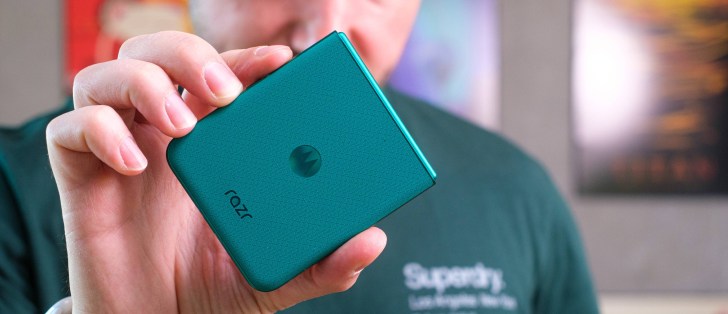
New ultrawide on the back, but no dramatic changes

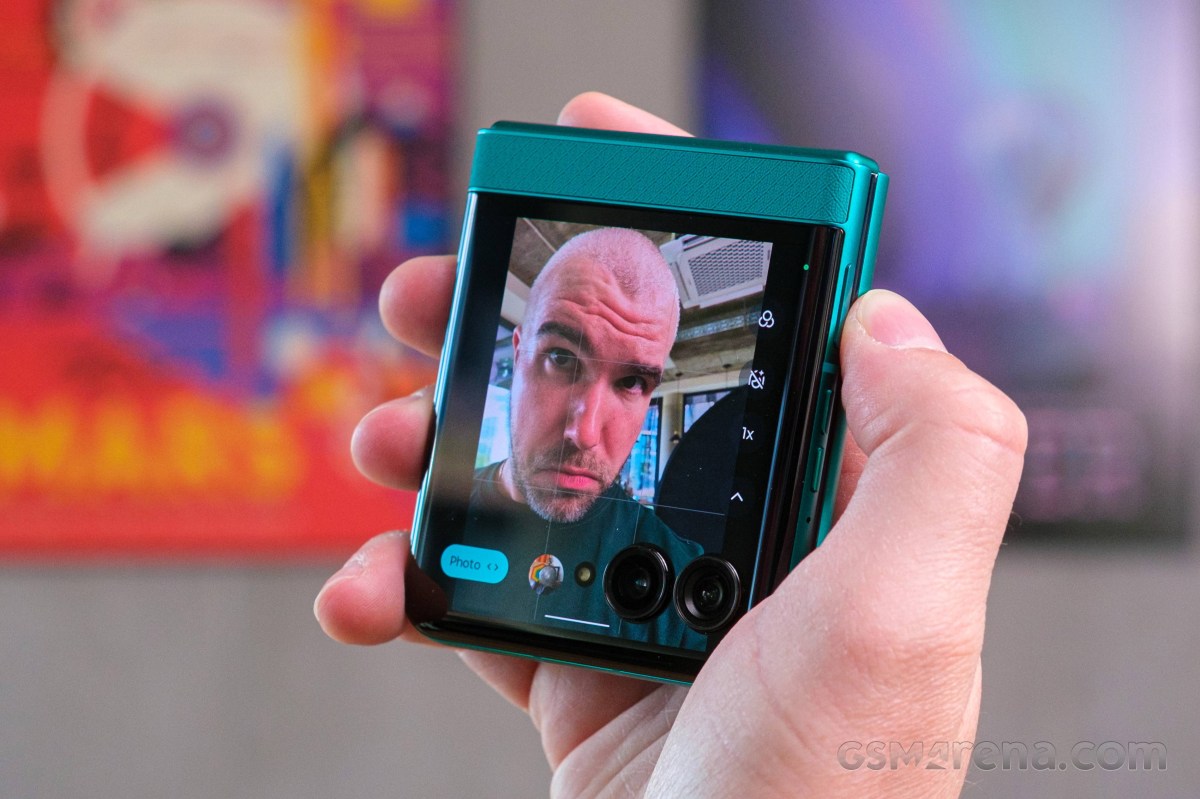
The Razr 70 brings in an evolutionary improvement to the camera system, upgrading the ultrawide module’s sensor, but otherwise sticking to the formula of the predecessor. So you get a wide main camera and that improved ultrawide on the cover, plus a punchhole ‘selfie’ camera on the inside.
Motorola Razr 70/Razr 2026 review

Starting with the new bit, there’s now a 50MP Tetrapixel (Samsung’s designation for what Sony calls Quad Bayer) sensor in place of the conventional 13MP one on the previous model. It’s a slightly larger sensor too – 1/2.76″ optical format vs. the 1/3.0″ imager on the old Razr. We do get to keep the extremely ultrawide 12-ish mm lens, so that’s a win.

Technically, the internal camera’s sensor is also different than what we had on the Razr 60 (or at least on the US version, the Razr 2025) – we’re looking at a Samsung sensor in place of the OmniVision one, but it’s still a 32MP unit of the same optical format and it’s all the same, really.

The main camera, on the other hand, is apparently directly reused – sensor, lens, and all.
Motorola Razr 70/Razr 2026 review


  • Wide (main): 50MP Samsung ISOCELL GN8 (S5KGN8, 1/1.95″, 0.8µm-1.6µm); 25mm, f/1.7, OIS, multi-directional PDAF; 4K30/1080p60 video recording.

  • Ultrawide: 50MP Samsung ISOCELL JNS (S5KJNS, 1/2.76″, 0.64µm-1.28µm); 12mm, f/2.0, PDAF; 4K30/1080p60.

  • Front camera: 32MP Samsung ISOCELL KDS (S5KKDS, likely a variation of S5KKD1, 1/3.42″, 0.64µm-1.28µm); 22mm, f/2.4, fixed focus; 4K30/1080p60.

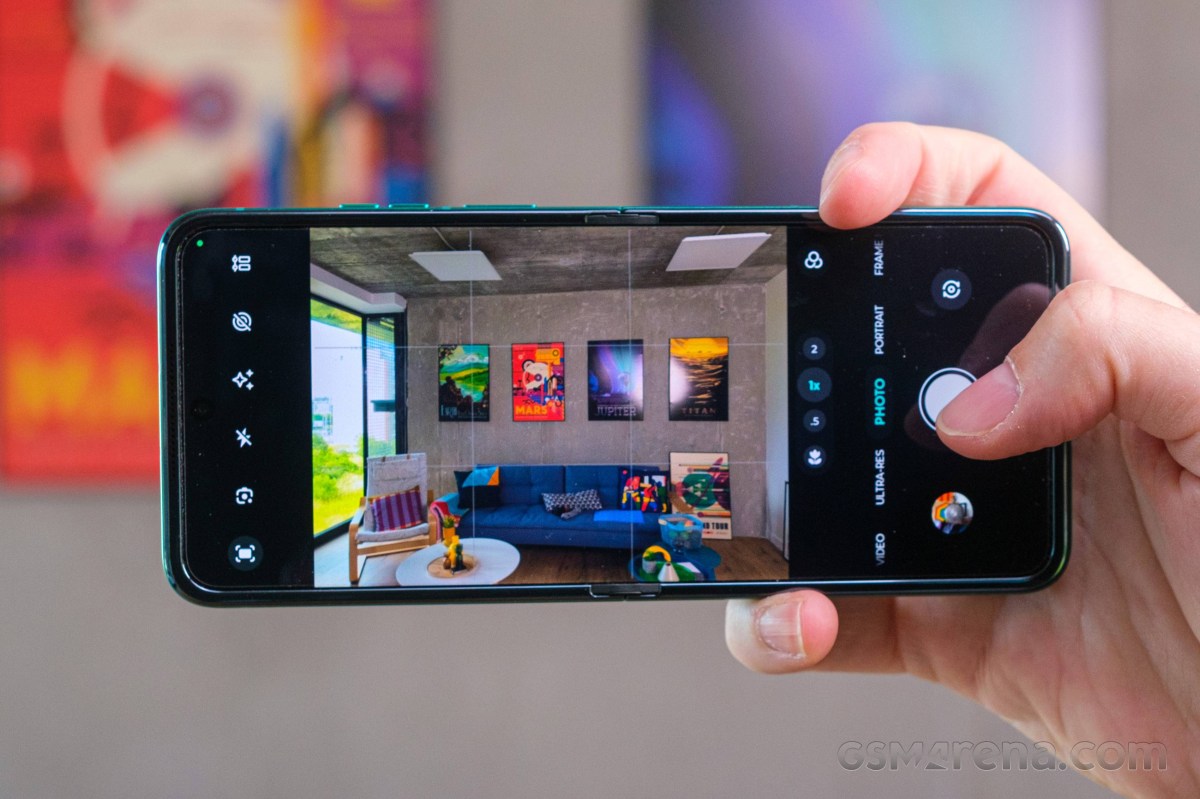
As is the Razr norm, you can operate the cover cameras from the cover screen, complete with options to switch modes and change relevant settings. The default behavior is tap anywhere to shoot, which seems straightforward enough. You still can’t really zoom in beyond 1x though – not with pinching, not with tapping on the zoom button, so tent mode shooting from a table across the room may not be… on the table. You do still get the ‘camcorder’ mode where you can hold the Razr half-folded mimicking a video camera from the 90s.

Daylight photo quality

Main camera

The Razr 70’s main camera photos at 1x are just about okay. You can count on wide dynamic range and great contrast, and the colors are easy to like thanks to the pretty high saturation (which is still not beyond reasonable). It’s on a pixel level that you could find grounds for complaint – heavy sharpening, jaggies on slanted lines, not very likeable fine detail rendition.



Daylight samples, main camera (1x) - 25mm, f/1.7, ISO 100, 1/1329s (4096x3072px) - Motorola Razr 70 review
Daylight samples, main camera (1x) - 25mm, f/1.7, ISO 100, 1/1375s (4096x3072px) - Motorola Razr 70 review
Daylight samples, main camera (1x) - 25mm, f/1.7, ISO 228, 1/100s (4096x3072px) - Motorola Razr 70 review
Daylight samples, main camera (1x) - 25mm, f/1.7, ISO 473, 1/50s (4096x3072px) - Motorola Razr 70 review


Daylight samples, main camera (1x) - 25mm, f/1.7, ISO 517, 1/100s (4096x3072px) - Motorola Razr 70 review
Daylight samples, main camera (1x) - 25mm, f/1.7, ISO 101, 1/1548s (4096x3072px) - Motorola Razr 70 review
Daylight samples, main camera (1x) - 25mm, f/1.7, ISO 100, 1/1329s (4096x3072px) - Motorola Razr 70 review
Daylight samples, main camera (1x) - 25mm, f/1.7, ISO 235, 1/100s (4096x3072px) - Motorola Razr 70 review


Daylight samples, main camera (1x) - 25mm, f/1.7, ISO 100, 1/1052s (4096x3072px) - Motorola Razr 70 review
Daylight samples, main camera (1x) - 25mm, f/1.7, ISO 100, 1/878s (4096x3072px) - Motorola Razr 70 review

Daylight samples, main camera (1x)

People shots are alright too. Skin tones can be a little off, a pink tinge making its way here or there. Facial detail, much like the rest of detail, isn’t stellar either. Not chart-topping stuff, but not necessarily bad still.



Human subjects, main camera: Photo mode (1x) - 25mm, f/1.7, ISO 352, 1/100s (4096x3072px) - Motorola Razr 70 review
Human subjects, main camera: Portrait mode (24mm) - 25mm, f/1.7, ISO 354, 1/100s (4096x3072px) - Motorola Razr 70 review
Human subjects, main camera: Photo mode (1x) - 25mm, f/1.7, ISO 100, 1/341s (4096x3072px) - Motorola Razr 70 review
Human subjects, main camera: Portrait mode (24mm) - 25mm, f/1.7, ISO 100, 1/390s (4096x3072px) - Motorola Razr 70 review


Human subjects, main camera: Photo mode (1x) - 25mm, f/1.7, ISO 395, 1/100s (4096x3072px) - Motorola Razr 70 review
Human subjects, main camera: Portrait mode (24mm) - 25mm, f/1.7, ISO 389, 1/100s (4096x3072px) - Motorola Razr 70 review
Human subjects, main camera: Photo mode (1x) - 25mm, f/1.7, ISO 100, 1/336s (4096x3072px) - Motorola Razr 70 review
Human subjects, main camera: Portrait mode (24mm) - 25mm, f/1.7, ISO 100, 1/346s (4096x3072px) - Motorola Razr 70 review

Human subjects, main camera: Photo mode (1x) • Portrait mode (24mm)

The full-res mode doesn’t strike us as particularly useful, as usual.


Daylight samples, main camera (1x), 50MP - 25mm, f/1.7, ISO 100, 1/1385s (8192x6144px) - Motorola Razr 70 review
Daylight samples, main camera (1x), 50MP - 25mm, f/1.7, ISO 100, 1/1374s (8192x6144px) - Motorola Razr 70 review
Daylight samples, main camera (1x), 50MP - 25mm, f/1.7, ISO 228, 1/100s (8192x6144px) - Motorola Razr 70 review
Daylight samples, main camera (1x), 50MP - 25mm, f/1.7, ISO 668, 1/50s (8192x6144px) - Motorola Razr 70 review

Daylight samples, main camera (1x), 50MP

At 2x zoom, you’d be seeing a fair bit of noise and some softness if you look at the images at 1:1, but it’s still a decent performance, we reckon. So that would be another instance of us saying some form of ‘acceptable’.



Daylight samples, main camera (2x) - 50mm, f/1.7, ISO 100, 1/783s (4096x3072px) - Motorola Razr 70 review
Daylight samples, main camera (2x) - 50mm, f/1.7, ISO 100, 1/1181s (4096x3072px) - Motorola Razr 70 review
Daylight samples, main camera (2x) - 50mm, f/1.7, ISO 386, 1/100s (4096x3072px) - Motorola Razr 70 review
Daylight samples, main camera (2x) - 50mm, f/1.7, ISO 593, 1/50s (4096x3072px) - Motorola Razr 70 review


Daylight samples, main camera (2x) - 50mm, f/1.7, ISO 504, 1/100s (4096x3072px) - Motorola Razr 70 review
Daylight samples, main camera (2x) - 50mm, f/1.7, ISO 101, 1/1206s (4096x3072px) - Motorola Razr 70 review
Daylight samples, main camera (2x) - 50mm, f/1.7, ISO 100, 1/1270s (4096x3072px) - Motorola Razr 70 review
Daylight samples, main camera (2x) - 50mm, f/1.7, ISO 186, 1/100s (4096x3072px) - Motorola Razr 70 review


Daylight samples, main camera (2x) - 50mm, f/1.7, ISO 100, 1/1130s (4096x3072px) - Motorola Razr 70 review
Daylight samples, main camera (2x) - 50mm, f/1.7, ISO 101, 1/2579s (4096x3072px) - Motorola Razr 70 review

Daylight samples, main camera (2x)

At 2x zoom, you’ll get the inherent benefits of the 50mm focal length on facial proportions and perspective, if you go for a headshot type of framing. The skin tones will still be a little off and detail will still be somewhat soft. There’s also that second scene that proved problematic for the Razr, for one reason or another – locking focus on the subject didn’t quite happen, not in Photo mode and not in Portrait mode.



Human subjects, main camera: Photo mode (2x) - 50mm, f/1.7, ISO 332, 1/100s (4096x3072px) - Motorola Razr 70 review
Human subjects, main camera: Portrait mode (50mm) - 50mm, f/1.7, ISO 320, 1/100s (4096x3072px) - Motorola Razr 70 review
Human subjects, main camera: Photo mode (2x) - 50mm, f/1.7, ISO 100, 1/271s (4096x3072px) - Motorola Razr 70 review
Human subjects, main camera: Portrait mode (50mm) - 50mm, f/1.7, ISO 100, 1/290s (4096x3072px) - Motorola Razr 70 review


Human subjects, main camera: Photo mode (2x) - 50mm, f/1.7, ISO 611, 1/100s (4096x3072px) - Motorola Razr 70 review
Human subjects, main camera: Portrait mode (50mm) - 50mm, f/1.7, ISO 643, 1/100s (4096x3072px) - Motorola Razr 70 review
Human subjects, main camera: Photo mode (2x) - 50mm, f/1.7, ISO 100, 1/318s (4096x3072px) - Motorola Razr 70 review
Human subjects, main camera: Portrait mode (50mm) - 50mm, f/1.7, ISO 100, 1/340s (4096x3072px) - Motorola Razr 70 review

Human subjects, main camera: Photo mode (2x) • Portrait mode (50mm)

Ultrawide camera

The new ultrawide camera does a good job in broad daylight, capturing wide dynamic range and accurate, if not quite as exciting, colors, as well as quite good detail. Sharpness does tend to drop in even slightly dimmer indoor scenes, though we wouldn’t say it becomes a dealbreaker.

Oddly enough, there’s no full-res option for the ultrawide camera. Though it’s quite probably for the better.



Daylight samples, ultrawide camera (0.5x) - 12mm, f/2.0, ISO 100, 1/654s (4096x3072px) - Motorola Razr 70 review
Daylight samples, ultrawide camera (0.5x) - 12mm, f/2.0, ISO 100, 1/520s (4096x3072px) - Motorola Razr 70 review
Daylight samples, ultrawide camera (0.5x) - 12mm, f/2.0, ISO 311, 1/50s (4096x3072px) - Motorola Razr 70 review
Daylight samples, ultrawide camera (0.5x) - 12mm, f/2.0, ISO 981, 1/25s (4096x3072px) - Motorola Razr 70 review


Daylight samples, ultrawide camera (0.5x) - 12mm, f/2.0, ISO 503, 1/33s (4096x3072px) - Motorola Razr 70 review
Daylight samples, ultrawide camera (0.5x) - 12mm, f/2.0, ISO 100, 1/755s (4096x3072px) - Motorola Razr 70 review
Daylight samples, ultrawide camera (0.5x) - 12mm, f/2.0, ISO 100, 1/689s (4096x3072px) - Motorola Razr 70 review
Daylight samples, ultrawide camera (0.5x) - 12mm, f/2.0, ISO 119, 1/50s (4096x3072px) - Motorola Razr 70 review

Daylight samples, ultrawide camera (0.5x)

Close-ups

When it comes to close-ups, you get to choose between the ultrawide and its super close subject distance that works if you have light coming from the side and a still subject, or the main camera at 2x zoom for less shadows and more easily scared subjects. Neither route produces truly great results, but you will get keepers most of the time.



Close-up samples, ultrawide camera (0.5x) - 12mm, f/2.0, ISO 1593, 1/25s (4096x3072px) - Motorola Razr 70 review

Close-up samples, ultrawide camera (0.5x) - 12mm, f/2.0, ISO 2182, 1/20s (4096x3072px) - Motorola Razr 70 review

Close-up samples, ultrawide camera (0.5x) - 12mm, f/2.0, ISO 711, 1/33s (4096x3072px) - Motorola Razr 70 review

Close-up samples, ultrawide camera (0.5x) - 12mm, f/2.0, ISO 407, 1/50s (4096x3072px) - Motorola Razr 70 review

Close-up samples, ultrawide camera (0.5x)


Close-up samples, main camera (2x) - 50mm, f/1.7, ISO 943, 1/50s (4096x3072px) - Motorola Razr 70 review
Close-up samples, main camera (2x) - 50mm, f/1.7, ISO 1584, 1/50s (4096x3072px) - Motorola Razr 70 review
Close-up samples, main camera (2x) - 50mm, f/1.7, ISO 522, 1/100s (4096x3072px) - Motorola Razr 70 review
Close-up samples, main camera (2x) - 50mm, f/1.7, ISO 308, 1/100s (4096x3072px) - Motorola Razr 70 review

Close-up samples, main camera (2x)

Low-light photo quality

Main camera

In the dark, the Razr 70’s main camera puts out a generally good performance. The photos have excellent dynamic range and they hold on to color well, even if it’s not always strictly the right color – white balance can be a little iffy at times. Detail is very good in better lit scenes, and more sketchy in darker situations or just in the deeper shadows, but it’s all to be expected.



Low-light samples, main camera (1x) - 25mm, f/1.7, ISO 2595, 1/25s (4096x3072px) - Motorola Razr 70 review
Low-light samples, main camera (1x) - 25mm, f/1.7, ISO 5692, 1/25s (4096x3072px) - Motorola Razr 70 review
Low-light samples, main camera (1x) - 25mm, f/1.7, ISO 1979, 1/33s (4096x3072px) - Motorola Razr 70 review
Low-light samples, main camera (1x) - 25mm, f/1.7, ISO 14192, 1/17s (4096x3072px) - Motorola Razr 70 review


Low-light samples, main camera (1x) - 25mm, f/1.7, ISO 4155, 1/25s (4096x3072px) - Motorola Razr 70 review
Low-light samples, main camera (1x) - 25mm, f/1.7, ISO 1371, 1/33s (4096x3072px) - Motorola Razr 70 review
Low-light samples, main camera (1x) - 25mm, f/1.7, ISO 3480, 1/25s (4096x3072px) - Motorola Razr 70 review
Low-light samples, main camera (1x) - 25mm, f/1.7, ISO 2713, 1/33s (4096x3072px) - Motorola Razr 70 review

Low-light samples, main camera (1x)

2x shots are pretty soft if you look at them from up-close, but at fit to screen magnification they’re looking decent.



Low-light samples, main camera (2x) - 50mm, f/1.7, ISO 3142, 1/33s (4096x3072px) - Motorola Razr 70 review
Low-light samples, main camera (2x) - 50mm, f/1.7, ISO 5453, 1/20s (4096x3072px) - Motorola Razr 70 review
Low-light samples, main camera (2x) - 50mm, f/1.7, ISO 1455, 1/33s (4096x3072px) - Motorola Razr 70 review
Low-light samples, main camera (2x) - 50mm, f/1.7, ISO 6773, 1/20s (4096x3072px) - Motorola Razr 70 review


Low-light samples, main camera (2x) - 50mm, f/1.7, ISO 3222, 1/33s (4096x3072px) - Motorola Razr 70 review
Low-light samples, main camera (2x) - 50mm, f/1.7, ISO 1499, 1/50s (4096x3072px) - Motorola Razr 70 review
Low-light samples, main camera (2x) - 50mm, f/1.7, ISO 2811, 1/25s (4096x3072px) - Motorola Razr 70 review
Low-light samples, main camera (2x) - 50mm, f/1.7, ISO 1994, 1/33s (4096x3072px) - Motorola Razr 70 review

Low-light samples, main camera (2x)

Ultrawide camera

The new ultrawide doesn’t exactly enjoy darkness, returning soft and noisy shadows and more or less acceptable rendition of well-lit scenes. For casual snaps that you’ll share heavily compressed anyway, these will do just fine, just manage your expectations.



Low-light samples, ultrawide camera (0.5x) - 12mm, f/2.0, ISO 5115, 1/17s (4096x3072px) - Motorola Razr 70 review
Low-light samples, ultrawide camera (0.5x) - 12mm, f/2.0, ISO 7745, 1/14s (4096x3072px) - Motorola Razr 70 review
Low-light samples, ultrawide camera (0.5x) - 12mm, f/2.0, ISO 3966, 1/17s (4096x3072px) - Motorola Razr 70 review
Low-light samples, ultrawide camera (0.5x) - 12mm, f/2.0, ISO 8960, 1/10s (4096x3072px) - Motorola Razr 70 review


Low-light samples, ultrawide camera (0.5x) - 12mm, f/2.0, ISO 10017, 1/14s (4096x3072px) - Motorola Razr 70 review
Low-light samples, ultrawide camera (0.5x) - 12mm, f/2.0, ISO 2156, 1/20s (4096x3072px) - Motorola Razr 70 review
Low-light samples, ultrawide camera (0.5x) - 12mm, f/2.0, ISO 6305, 1/14s (4096x3072px) - Motorola Razr 70 review
Low-light samples, ultrawide camera (0.5x) - 12mm, f/2.0, ISO 6150, 1/17s (4096x3072px) - Motorola Razr 70 review

Low-light samples, ultrawide camera (0.5x)

Selfies

Moving on to selfies, the ones from the Razr 70’s internal camera are pretty good, particularly in abundant light. They have very good detail, wide dynamic range and lively skin tones.



Selfie samples, internal camera - f/2.4, ISO 940, 1/50s (3280x2460px) - Motorola Razr 70 review
Selfie samples, internal camera - f/2.4, ISO 1194, 1/50s (3280x2460px) - Motorola Razr 70 review
Selfie samples, internal camera - f/2.4, ISO 10331, 1/7s (3280x2460px) - Motorola Razr 70 review
Selfie samples, internal camera - f/2.4, ISO 15278, 1/14s (3280x2460px) - Motorola Razr 70 review


Selfie samples, internal camera - f/2.4, ISO 119, 1/100s (3280x2460px) - Motorola Razr 70 review
Selfie samples, internal camera - f/2.4, ISO 100, 1/348s (3280x2460px) - Motorola Razr 70 review
Selfie samples, internal camera - f/2.4, ISO 776, 1/50s (3280x2460px) - Motorola Razr 70 review
Selfie samples, internal camera - f/2.4, ISO 966, 1/50s (3280x2460px) - Motorola Razr 70 review

Selfie samples, internal camera

You’ll probably still prefer to use the cover cameras. The main camera will get you even sharper detail and will be a significant step up in quality in low light, plus it will let you do sharp close-ups of your face, if that’s your thing. The ultrawide, meanwhile, will maximize coverage, or get you weird perspectives, if not in absolute sharpness.



Selfie samples, main camera (1x) - 25mm, f/1.7, ISO 445, 1/100s (4096x3072px) - Motorola Razr 70 review

Selfie samples, main camera (1x) - 25mm, f/1.7, ISO 565, 1/100s (4096x3072px) - Motorola Razr 70 review

Selfie samples, main camera (1x) - 25mm, f/1.7, ISO 7003, 1/20s (4096x3072px) - Motorola Razr 70 review

Selfie samples, main camera (1x) - 25mm, f/1.7, ISO 6025, 1/20s (4096x3072px) - Motorola Razr 70 review


Selfie samples, main camera (1x) - 25mm, f/1.7, ISO 100, 1/291s (4096x3072px) - Motorola Razr 70 review
Selfie samples, main camera (1x) - 25mm, f/1.7, ISO 100, 1/1320s (4096x3072px) - Motorola Razr 70 review
Selfie samples, main camera (1x) - 25mm, f/1.7, ISO 511, 1/100s (4096x3072px) - Motorola Razr 70 review
Selfie samples, main camera (1x) - 25mm, f/1.7, ISO 432, 1/50s (4096x3072px) - Motorola Razr 70 review

Selfie samples, main camera (1x)


Selfie samples, ultrawide camera (0.5x) - 12mm, f/2.0, ISO 476, 1/33s (4096x3072px) - Motorola Razr 70 review
Selfie samples, ultrawide camera (0.5x) - 12mm, f/2.0, ISO 611, 1/33s (4096x3072px) - Motorola Razr 70 review
Selfie samples, ultrawide camera (0.5x) - 12mm, f/2.0, ISO 12800, 1/14s (4096x3072px) - Motorola Razr 70 review

Selfie samples, ultrawide camera (0.5x)

Photo quality verdict

The Razr 70’s cameraphone aspirations aren’t too high and if you approach it with the adequate mindset, you should be pretty happy. It takes pretty great selfies, particularly with the cover cameras, but also with the internal camera. General photography is covered too, with a main camera that does well in good light and at night at its native focal length (and is just about usable at 2x as well), and an ultrawide whose lens is wider than most and decent with what it captures.

Video quality

The Razr 70 has fairly basic video recording capabilities – all three cameras max out at either 4K30 or 1080p60, depending on whether you’re after resolution or high frame rate. To get 4K60, you need to look elsewhere (Razr 70+/ 70 Ultra, for example).

The phone defaults to the h.264 codec, but you can switch to h.265 (HEVC) in settings. There’s no Dolby Vision support like there is on the Ultra. Video stabilization is always on and you can’t switch it off, and you also get the Horizon lock mode in 1080p30 on the ultrawide camera.

You can hit ‘> play’ below and use the ‘>| next’ button to advance through the playlist of all video samples, or you can watch the full playlist on YouTube.

https://www.youtube.com/watch?v=videoseries

Daylight videos out of the main camera at 1x are quite good for the class. Dynamic range and contrast are great, and the colors are also looking good – the white balance is on point, saturation is well judged. Detail is rendered with pretty liberal sharpening and there are sprinkles of noise in areas of uniform color, but it’s not too bad. It just might be better overall than the 70 Ultra’s 1x video quality. The 2x zoom results aren’t too likeable, the softness mixed in more sharpening and plenty of jaggies.

The ultrawide’s 4K clips are decent, maybe good, depending on how you draw your lines in the sand. Dynamic range is alright, colors and detail are okay – nothing too fancy, but certainly usable stuff.



Video screengrabs, daylight: 0.5x -  (3840x2160px) - Motorola Razr 70 review
Video screengrabs, daylight: 1x -  (3840x2160px) - Motorola Razr 70 review
Video screengrabs, daylight: 2x -  (3840x2160px) - Motorola Razr 70 review

Video screengrabs, daylight: 0.5x • 1x • 2x

The main camera’s low-light results aren’t too likeable – they’re packed with noise that you can readily see from afar. The videos do come with a relatively bright exposure and a somewhat substantial shadow boost so maybe that’s where the noise is from. The ultrawide’s exposures look more natural and while also relatively noisy, they’re actually pretty good for an unassuming midrange ultrawide.



Video screengrabs, low light: 0.5x -  (3840x2160px) - Motorola Razr 70 review
Video screengrabs, low light: 1x -  (3840x2160px) - Motorola Razr 70 review
Video screengrabs, low light: 2x -  (3840x2160px) - Motorola Razr 70 review

Video screengrabs, low light: 0.5x • 1x • 2x

Stabilization is very good on the Razr 70, better than what we got from the 70 Ultra. Walking shake is ironed out well and there’s no jello effect. Shooting from a stationary position also looks nearly perfectly stable, and pans are pretty smooth too.

Video quality verdict

The Razr 70’s camcorder capabilities aren’t too wide ranging, with no 4K60 or HDR recording on board. Its 4K30 on both the main camera and the ultrawide are quite good in daylight and the ultrawide, of all things, is also not too shabby at night. Stabilization is quite solid too.

Leave a Comment